
Recladding a House: What to Expect and What It Costs
The process of recladding a Newcastle home, what typically turns up behind old cladding, and realistic costs and timeframes.
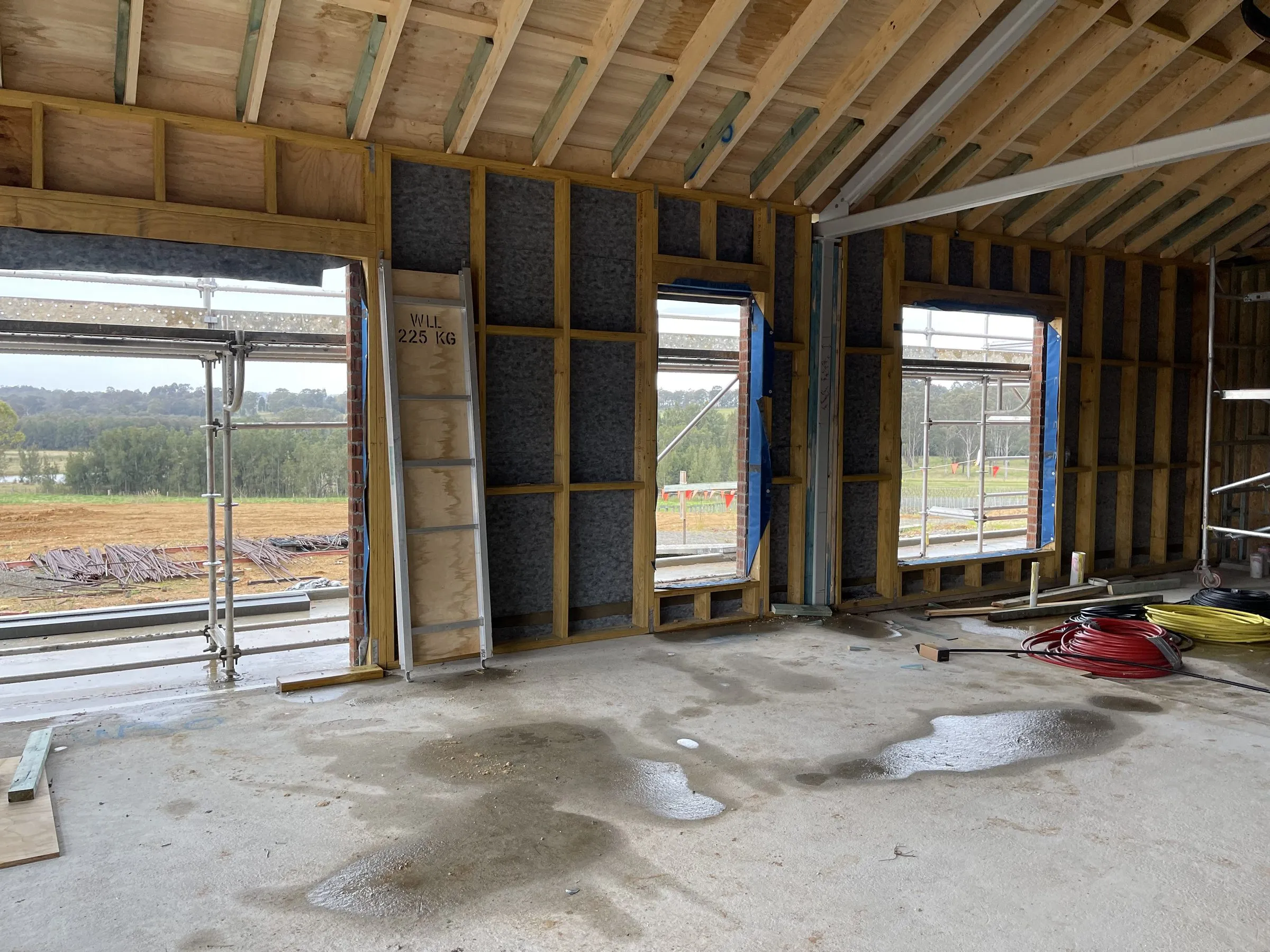
Recladding transforms a tired house more dramatically than almost any other single job. It also opens up the wall, which means finding out what has been happening in there.
What it costs
For a typical single-storey home with around 180 square metres of wall area:
| Item | Cost |
|---|---|
| Remove existing cladding and dispose | $8,000 to $18,000 |
| Frame repairs, if needed | $0 to $25,000 |
| Sarking, battens and cavity | $6,000 to $12,000 |
| New cladding supplied and installed | $22,000 to $45,000 |
| Flashings and trims | $4,000 to $9,000 |
| Painting | $8,000 to $16,000 |
| Scaffolding | $4,000 to $10,000 |
Total commonly $50,000 to $110,000. Two storeys pushes the scaffolding and labour components up substantially.
If the existing cladding contains asbestos, add $8,000 to $25,000 for licensed removal and disposal. This applies to a great many homes built or renovated before 1990.
The process
1. Assessment. We check what the existing cladding is, whether it is likely to contain asbestos, and look for signs of moisture damage. An asbestos inspection is essential on older homes.
2. Scaffolding and protection. Full perimeter access and protection of windows, gardens and paths.
3. Strip back. One elevation at a time so the house is never fully open. Old cladding removed and disposed of.
4. Frame inspection. This is the moment of truth. We photograph everything and show you what we find before covering it.
5. Repairs. Rot, termite damage or previous poor work is rectified.
6. Sarking and cavity. Breathable membrane, then battens forming a drained and vented cavity behind the new cladding.
7. Flashings. Around every window, door and penetration, plus at the base and any horizontal junction.
8. New cladding. Installed to the manufacturer’s specification, which matters for warranty.
9. Paint and make good.
What we typically find behind old cladding
Nothing much. Frequently the frame is completely sound and it is a straightforward job.
Localised rot. Usually below windows, at the base of walls, or where a downpipe has been leaking. Cut out and replace the affected members.
Termite damage. Common enough across the Hunter that we always look for it. Sometimes historic and inactive, sometimes not.
No sarking at all. Very common in older construction. Adding it is a significant improvement.
Missing or wrong flashings. The most common defect, and the cause of most of the rot we find.
Inadequate bracing. Older homes sometimes have less wall bracing than current standards require. Recladding is the ideal opportunity to fix it.
Should you reclad over the top?
Occasionally proposed, and rarely the right answer. Cladding over the existing skin means:
- You never see the frame, so any damage stays hidden and keeps progressing
- Wall thickness increases, which affects window reveals, eaves and door thresholds
- The existing cladding may still contain asbestos, now permanently sealed in
- You cannot install a proper drainage cavity
We strip back. It costs more and it is the only way to know what you have.
Timeframe
Three to five weeks for a standard single-storey home, longer if significant frame repairs are needed. We work one elevation at a time so the house stays weather-tight throughout.
Worth doing at the same time
While the walls are open, it is far cheaper to:
- Add or upgrade wall insulation
- Rewire or add circuits
- Replace windows
- Improve bracing
Doing any of these later means opening the wall again.
We reclad homes across Newcastle, Lake Macquarie and the Hunter, and we will always show you what is behind before we cover it back up.
More building advice
External Cladding Types Compared for Newcastle Homes
Fibre cement, weatherboard, timber, composite and brick veneer compared on cost, maintenance and suitability for Newcastle and coastal Hunter conditions.
Building Near the Water: Salt Air and Material Choice
How coastal exposure affects material selection around Newcastle, Belmont and Port Stephens, and the corrosion categories that decide what you can use.
Why a Drainage Cavity Behind Cladding Matters So Much
How rainscreen cladding works, why water always gets behind the skin, and what happens to a wall frame when there is nowhere for it to go.