
External Cladding Types Compared for Newcastle Homes
Fibre cement, weatherboard, timber, composite and brick veneer compared on cost, maintenance and suitability for Newcastle and coastal Hunter conditions.
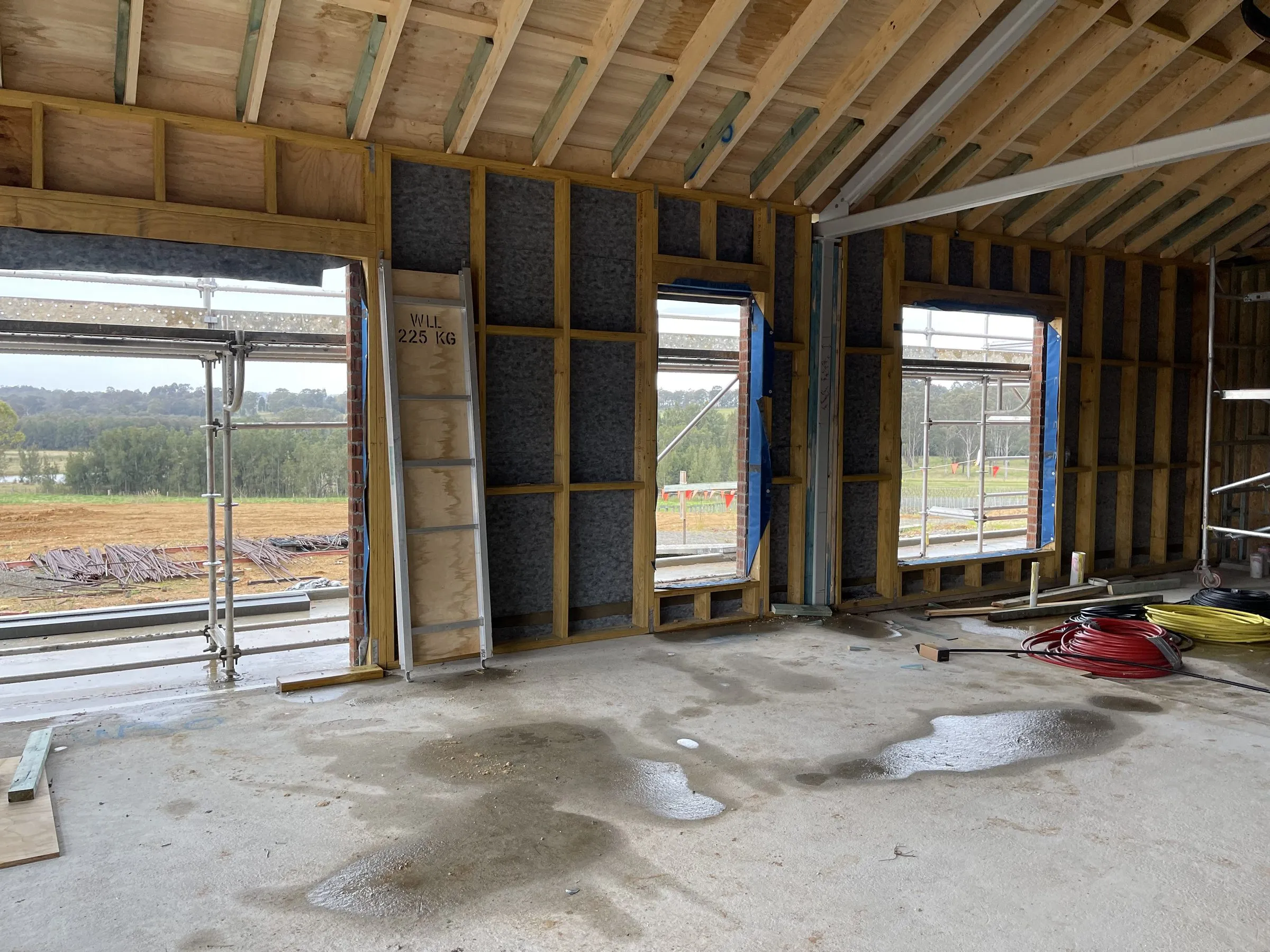
Cladding changes how a house looks more than anything else you can do to it. It is also the layer keeping weather out of your wall frame, so the choice matters twice.
Fibre cement sheet and planks
Products such as Scyon and James Hardie ranges.
Cost: $120 to $220 per square metre supplied and installed. Maintenance: repaint every 8 to 12 years. Life: 40 years plus. Pros: dimensionally stable, non-combustible so it suits bushfire areas, termite resistant, wide range of profiles from weatherboard look to wide flat panels. Cons: it is a painted finish, so it will always need repainting. Cut edges must be sealed.
This is the default for most new work around Newcastle for good reason.
Timber weatherboard
Cost: $150 to $300 per square metre installed depending on species. Maintenance: repaint or re-oil every 5 to 8 years, less near the coast. Life: 30 to 60 years if maintained, considerably less if not. Pros: genuine character, correct for period homes, repairable board by board. Cons: highest maintenance of any option, and neglected timber cladding fails.
Right for a federation or California bungalow. A lot of work on a large modern house.
Composite and engineered timber cladding
Cost: $200 to $400 per square metre installed. Maintenance: minimal, wash occasionally. Life: 25 to 40 years. Pros: timber appearance without the maintenance, stable, good for feature panels. Cons: cost, and quality varies significantly between products. Some fade.
Aluminium and steel cladding
Cost: $180 to $450 per square metre installed. Maintenance: very low. Life: 30 to 50 years. Pros: sharp modern lines, non-combustible, excellent for feature elements. Cons: can dent, and near the ocean you need marine grade coatings or it will corrode. Check the coastal warranty conditions carefully.
Brick veneer
Cost: $200 to $350 per square metre installed. Maintenance: essentially none. Life: the life of the building. Pros: durable, thermally massive, no ongoing cost. Cons: heavy, so it needs footings designed for it. Slow to build. Hard to change later.
Render over blockwork or foam
Cost: $130 to $280 per square metre. Maintenance: repaint every 10 to 15 years, and repair cracks promptly. Life: 30 years plus. Pros: clean contemporary look, good over masonry. Cons: cracks show, and moisture ingress behind render is destructive and hard to detect.
For coastal and lake-front sites
Salt air rules some things out. Within a few hundred metres of surf:
- Use marine grade coatings on any metal cladding
- Stainless fixings throughout
- Fibre cement performs very well
- Check every product warranty for coastal exclusions, because many have them
The part that matters more than the material
Whatever goes on the outside, what sits behind it decides whether the wall lasts. Cladding must be installed over a drained and vented cavity with a breathable sarking membrane behind it, and correctly flashed at every window, door, penetration and junction.
Water will get behind cladding. That is normal and expected. The system has to let it drain out and let the wall dry. Cladding fixed directly to the frame with no cavity traps moisture against the timber.
We see the results of that regularly, and it is a far bigger job to fix than the cladding itself.
Practical recommendation
For most Newcastle homes, fibre cement in a profile that suits the house is the sensible balance of cost, durability and appearance. Use timber where the house calls for it, metal or composite for feature elements, and get the cavity and flashing detail right regardless of what you choose.
We reclad and clad homes across Newcastle, Lake Macquarie and the Hunter.
More building advice
Recladding a House: What to Expect and What It Costs
The process of recladding a Newcastle home, what typically turns up behind old cladding, and realistic costs and timeframes.
Building Near the Water: Salt Air and Material Choice
How coastal exposure affects material selection around Newcastle, Belmont and Port Stephens, and the corrosion categories that decide what you can use.
Why a Drainage Cavity Behind Cladding Matters So Much
How rainscreen cladding works, why water always gets behind the skin, and what happens to a wall frame when there is nowhere for it to go.