
How Long Does a Home Extension Actually Take?
A realistic timeline for a home extension in Newcastle, from first sketch to handover, and the stages where delays genuinely happen.
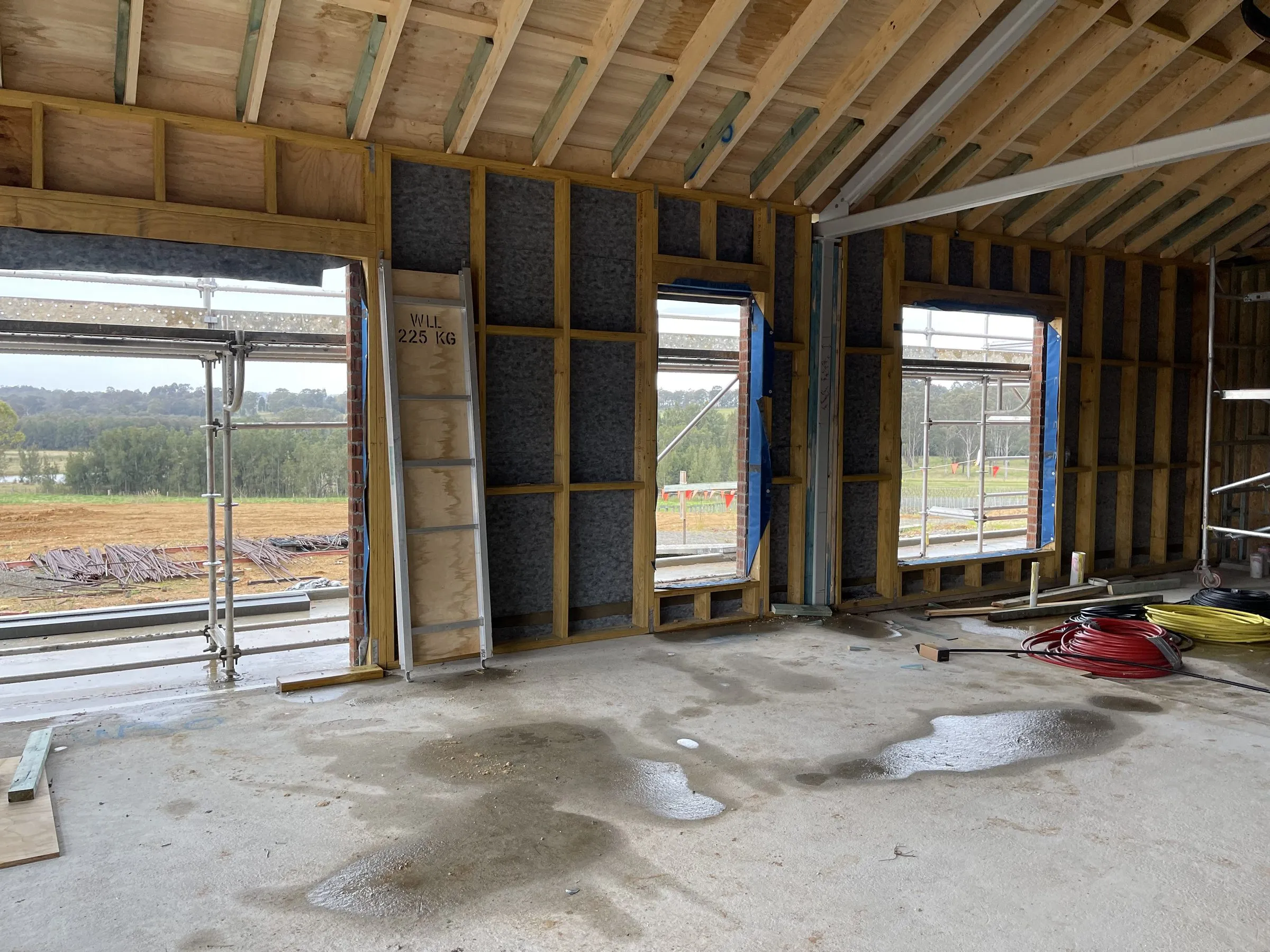
People usually ask how long the build takes. The build is often the shortest part.
The full timeline
Design, 4 to 10 weeks. Concept, revisions, then documented drawings. The variable is how many times you change your mind, which is fine, but it takes time.
Engineering, 2 to 4 weeks. Structural design, footing design, and any geotechnical work.
Approval, 3 weeks to 6 months. A CDC is 2 to 4 weeks. A DA is 8 to 20 weeks and occasionally much longer.
Pre-start, 2 to 4 weeks. Contract, insurances, trade bookings, long-lead material orders.
Construction, 8 weeks to 6 months. Depends entirely on scope.
Total: 5 to 12 months for most jobs. A simple ground floor extension with a CDC might be five months end to end. A second storey addition needing a DA is commonly ten to fourteen.
Construction stage by stage
For a typical 45 square metre ground floor extension:
| Stage | Duration |
|---|---|
| Site set-up and demolition | 3 to 5 days |
| Excavation and footings | 1 to 2 weeks |
| Slab and cure | 1 to 2 weeks |
| Frame and roof | 2 to 3 weeks |
| Windows, external cladding, lock-up | 1 to 2 weeks |
| Services rough-in | 1 week |
| Insulation and plasterboard | 1 to 2 weeks |
| Fit-out, tiling, joinery | 3 to 5 weeks |
| Painting and finishing | 1 to 2 weeks |
| Handover and defects | 1 week |
That is roughly 12 to 18 weeks of construction, and it assumes reasonable weather and no surprises.
Where delays actually come from
Approvals. Comfortably the biggest variable and almost entirely outside the builder’s control.
Rain. You cannot pour concrete, frame or roof in sustained wet weather. A wet Hunter winter can add three to four weeks to a job.
Client decisions. Tile selection, tapware, colours. If the tiler is booked for Monday and the tiles are not chosen, that slot is gone and the next one may be a fortnight away.
Long-lead items. Windows are commonly 6 to 10 weeks. Custom joinery 4 to 8 weeks. Steel beams 2 to 6 weeks. These need ordering early, and a builder who orders them at the last minute will cost you time.
Variations. Every change mid-build has a time cost as well as a money cost.
Surprises in old houses. Termite damage, asbestos, inadequate footings.
How to keep it moving
Make selections early. All of them, before the job starts if possible. It is the single most effective thing a client can do.
Approve variations quickly. Work often cannot proceed past the affected item.
Be reachable. A decision that takes three days to reach you can cost a week on site.
Trust the sequence. Trades come in a specific order for good reasons, and pulling one forward usually creates problems downstream.
What a written program should show
Ask for one. It should show each stage, its duration, and any milestone payments attached. It gives you something to measure progress against and it makes slippage visible early rather than at the end.
We provide a written program with every job, and we tell you when something moves and why.
More building advice
Adding a Bedroom and Ensuite: What to Expect
Costs, layout considerations and approval requirements for adding a bedroom and ensuite to a Newcastle or Lake Macquarie home.
Granny Flats in Newcastle: Rules, Costs and Whether It Stacks Up
What you can build under the NSW secondary dwelling rules, what a granny flat costs in the Newcastle area, and the return it typically delivers.
Extend Out or Up? Comparing Ground Floor and Second Storey Additions
The real trade-offs between building out and building up, including cost, disruption, yard space and what your existing house can structurally handle.